Your Photo

“One must still have chaos in oneself
to be able to give birth to a dancing star.”
— Friedrich Nietzsche

Isotta Magistrali

MSc Computer Science at ETH Zurich • Computer Science • Artificial Intelligence

I'm a second year Master student in Computer Science at ETH Zurich. I am interested in understanding how human cognition, behaviour and psychology can shape modern AI models and agents, and how these agents reason and act in complex frameworks which are common for humans but yet unexplored for AI. I try to develop AI systems that are reliable and aligned with deeply human social processes, while ensuring an efficient and transparent use of resources.
I received my Bachelor’s degree in Mathematical and Computing Sciences for Artificial Intelligence from Bocconi University.

Other interests: sports, music, art, philosophy
Publications

3D Vision project

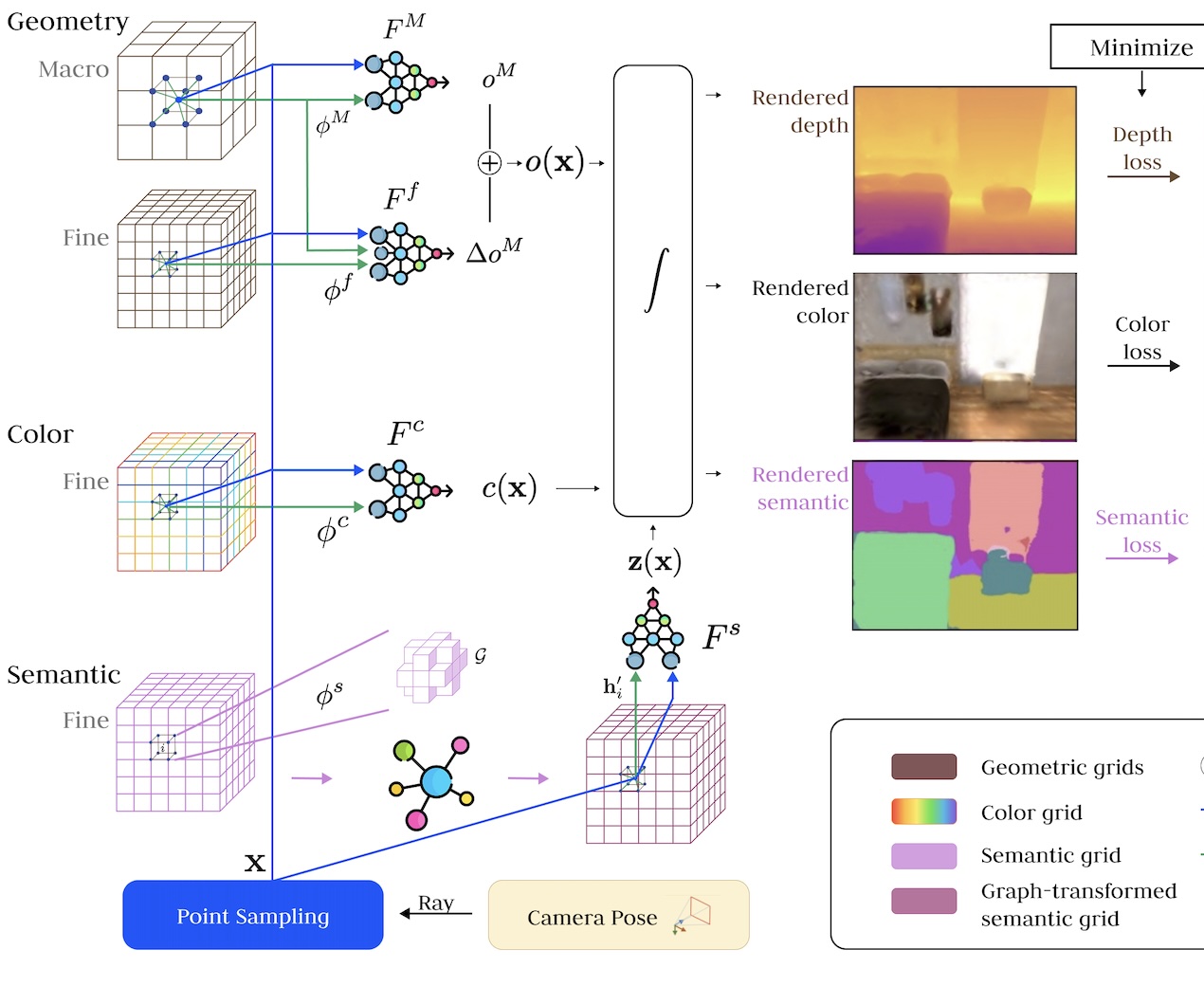
OpenICE-SLAM: Open-Set Neural Implicit Encoding for Semantic SLAM

Gianluca Sabatini, Isotta Magistrali, Gabriele Mura, Lorenzo Venturoli, Daniel Barath, Johanna Wald

2025, Preprint

Inria project

Improved Detection of Statistical Entities

Oana Balalau, Théo Galizzi, Isotta Magistrali, Ioana Manolescu, Gabriele Mura

2024, Infox sur Seine - short paper

Portfolio

Thesis

Chaos and convergence in models of random recurrent neural networks

Study of the dynamics of random recurrent neural networks, focusing on numerical analysis of dynamical properties such as chaos, stability, and convergence. Developed biologically motivated extensions to explore the intersection of AI and neuroscience for more sustainable and efficient architectures.

Work completed as my Bachelor’s thesis

Puzzle project

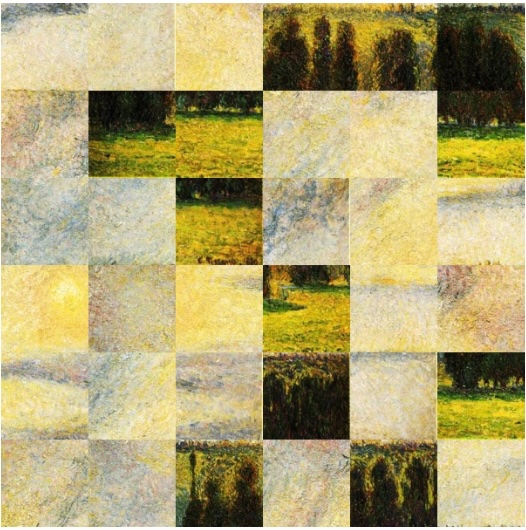
Deep Jigsaw: neural approaches to visual puzzle solving

Designed and trained neural networks to solve visual jigsaw puzzles by reordering shuffled image patches. Compared CNN-based spatial prediction with pre-trained AlexNet and Vision Transformer encoders combined with Sinkhorn-based permutation optimization.

HT project

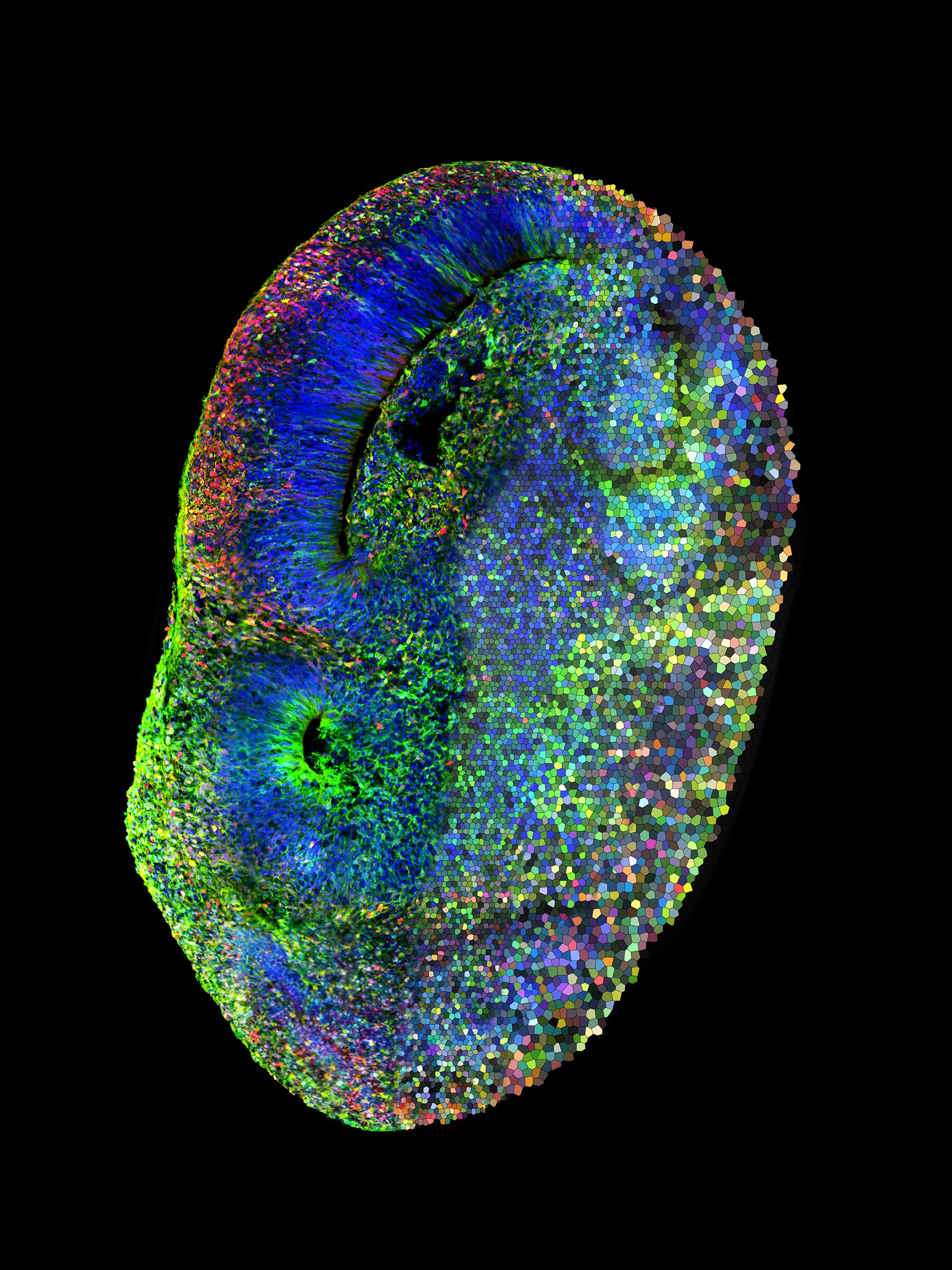
Mapping neurodevelopmental signatures in human brain organoids

Fine-tuning transformer-based models for single-cell RNA sequencing data to predict cellular exposure to endocrine-disrupting chemicals and hormonal pathways, linked to neurodevelopmental disorders.

Neuroscience project

Correlation and inference within and across brain areas

Analysis of the Allen Brain Observatory to model neural dynamics in the mouse visual cortex using correlation analysis, maximum entropy modeling, and classical machine learning for firing rate prediction.

AI Lab project

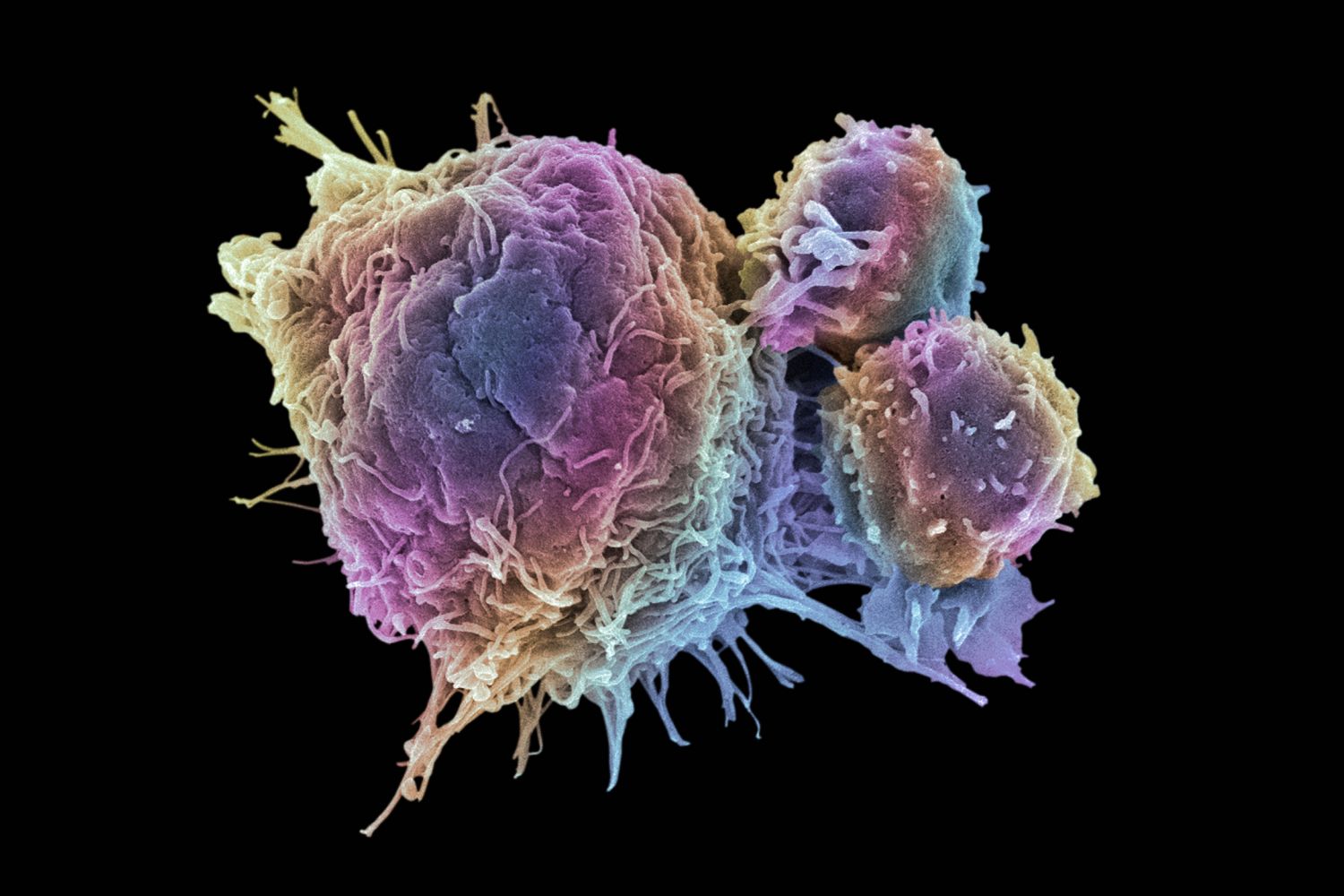
Machine Learning approaches for predicting treatment resistance in cancer

An applied machine learning and deep learning study on gene expression data from breast cancer cells to predict hypoxic and normoxic states, aiming to identify mechanisms linked to treatment resistance.

VC project

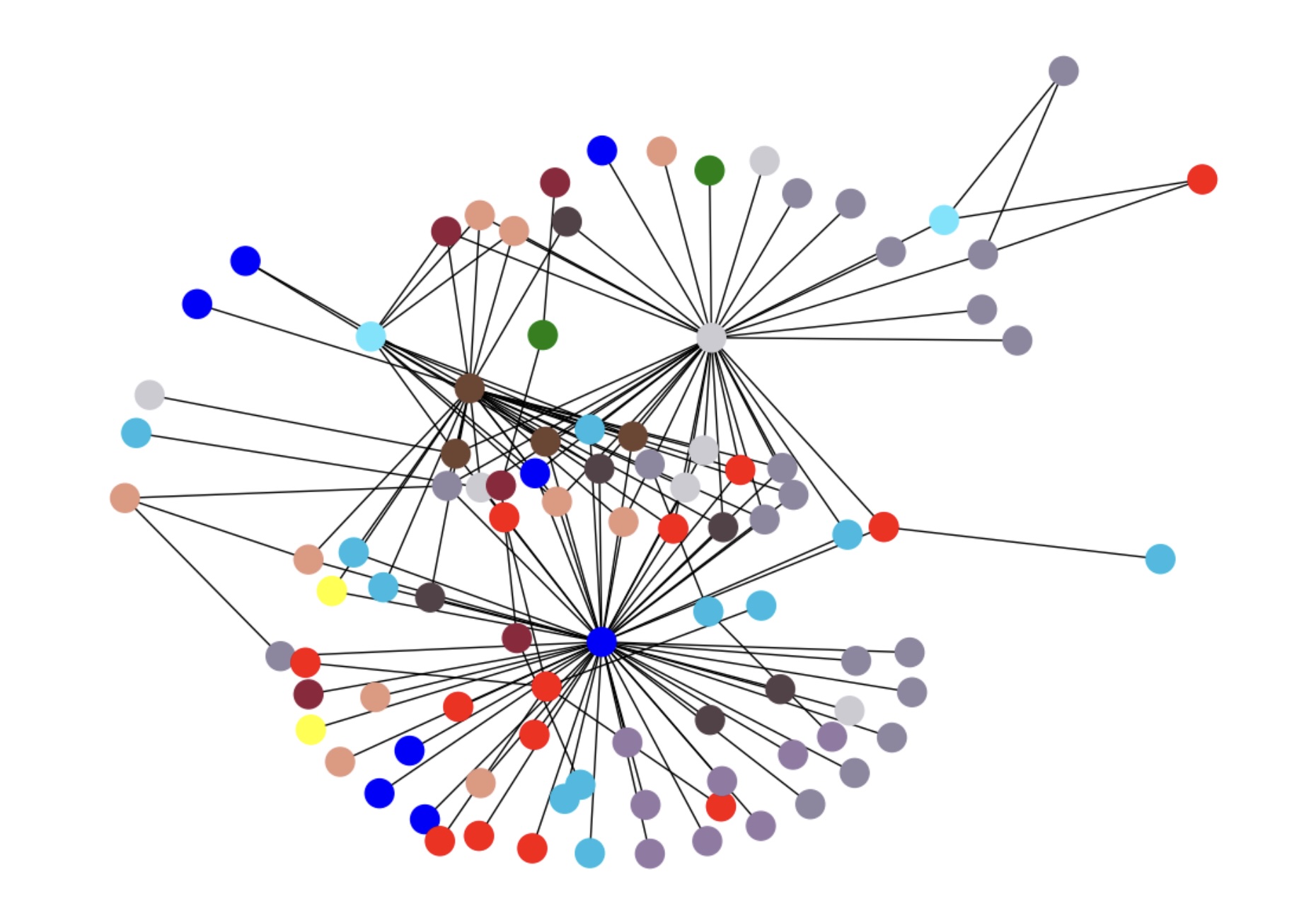
Network science applied to the Venture Capital industry

Analysis of large-scale datasets containing millions of entries to uncover structural patterns and leader–follower dynamics within the Venture Capital ecosystem, quantify and interpret complex network relationships.

Stochastic project

3D Ising model simulation

Developed Python simulations of the 3D Ising model to analyze magnetization–temperature relationships across varying spin configurations.

Statistics project

The paradox of well-being: how prosperity relates to mental health

A statistical study examining how socio-economic factors and the COVID-19 pandemic relate to the prevalence of mental health disorders across countries.